



Prostate cancer management is entering an increasingly precise and personalised era, shaped by advances in imaging, artificial intelligence and minimally invasive treatment.
These developments were discussed at the 23rd Urological Association of Asia (UAA) Congress, held in conjunction with the 69th Philippine Urological Association (PUA) Annual Meeting in Manila. As one of the Philippines' major gatherings for the urology community, the congress brought together more than 2,000 delegates from across Asia and beyond for four days of scientific exchange, clinical education and professional collaboration.
For the Transmedic Philippines team, the congress marked an important platform to engage with the country's urology community and contribute to the clinical dialogue through a dedicated TULSA-PRO Lunch Symposium and Koelis Workshop.
Examining the Evidence Behind Emerging Prostate Therapies
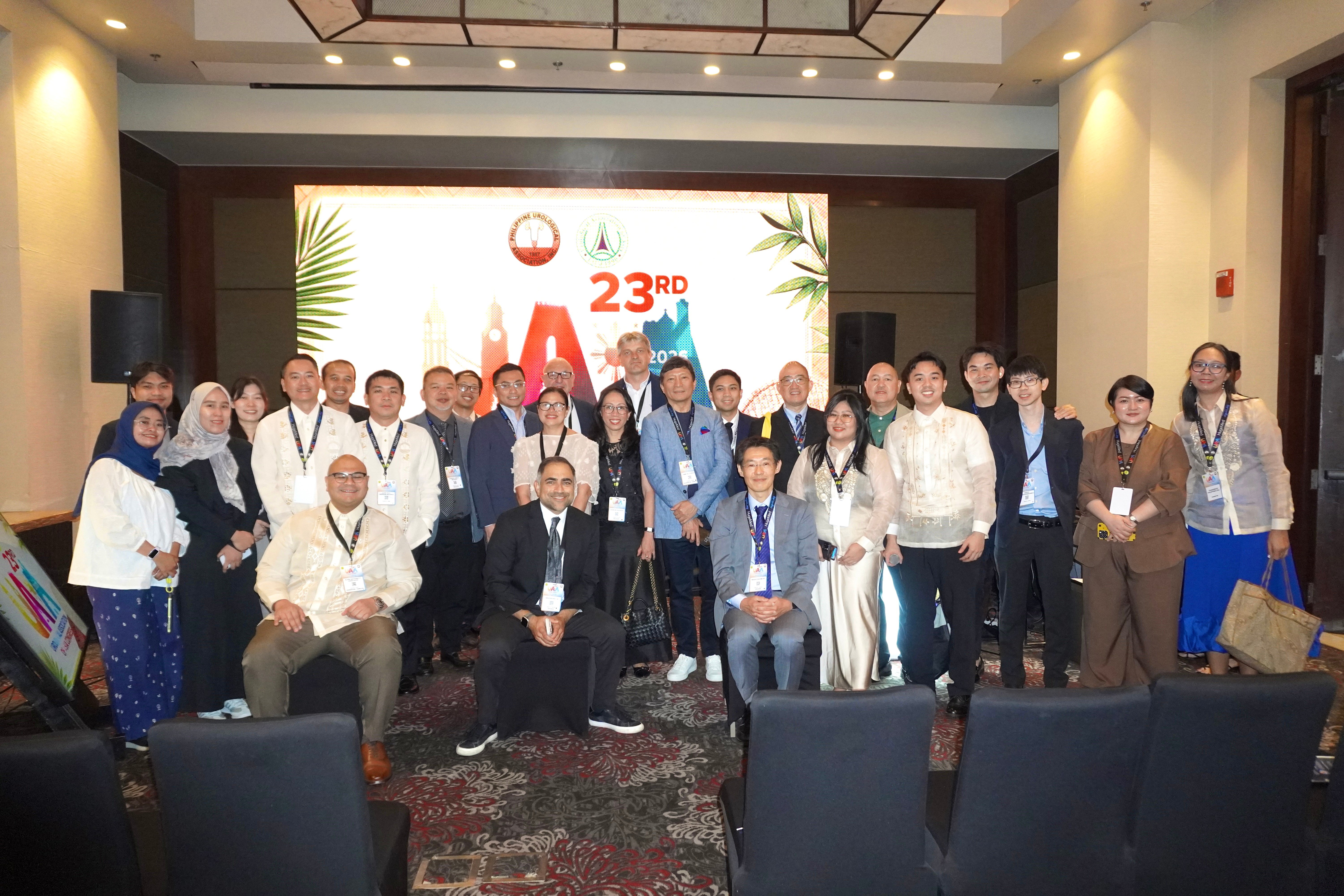
The TULSA-PRO Lunch Symposium took the conversation further into treatment, featuring discussions on the CAPTAIN Randomised Controlled Trial of MRI-Guided TULSA versus Robotic Radical Prostatectomy: Primary Safety Outcomes, alongside From Focal to Whole Gland: A 7-Year TULSA Experience and Lessons for New Users.
Together, the sessions brought clinical evidence, practical experience and emerging technology into one conversation, reflecting the importance of informed evaluation as the range of treatment options for prostate cancer continues to expand.
Exploring Precision Across the Prostate Cancer Care Pathway
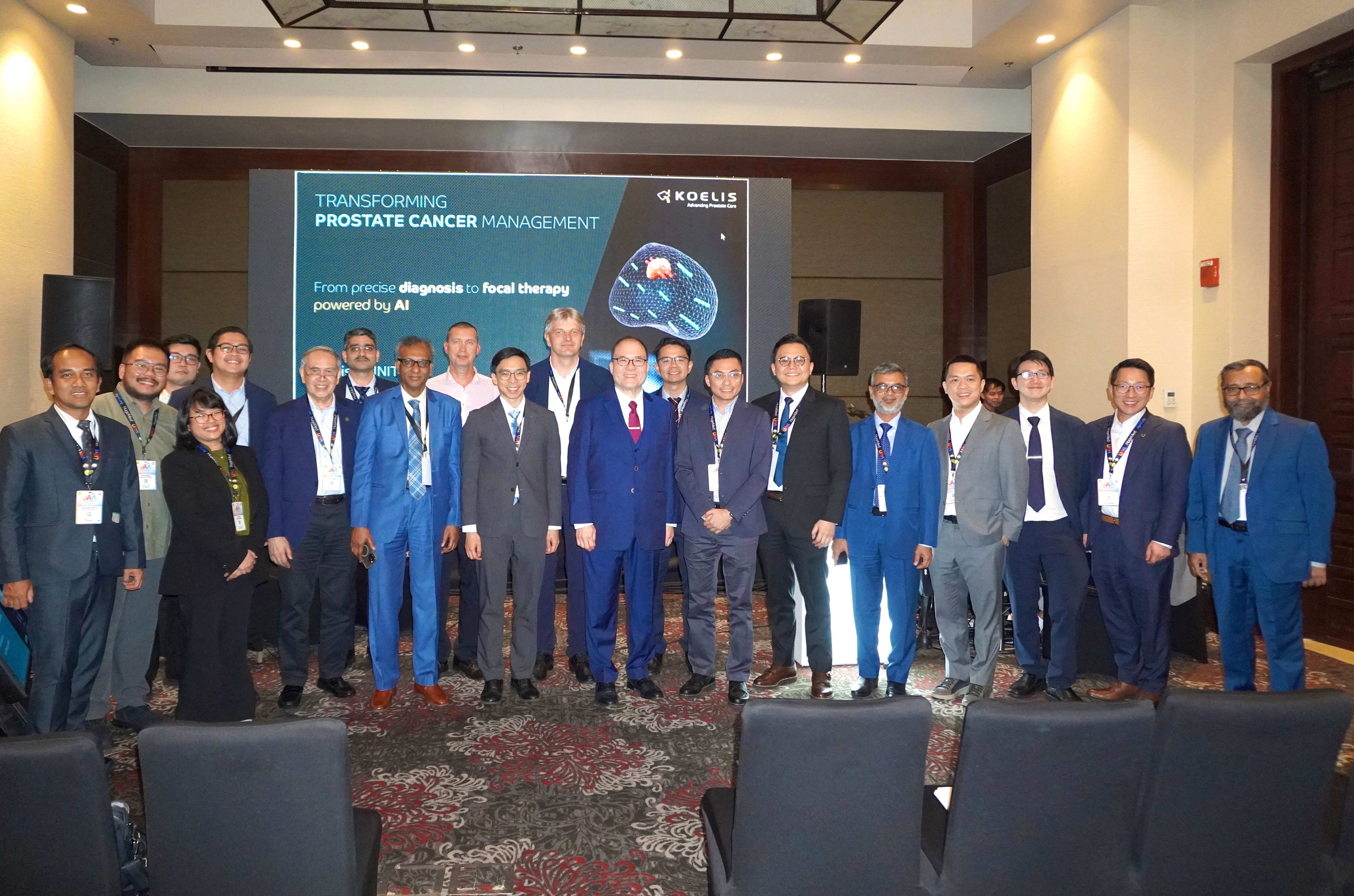
The Koelis Workshop brought clinicians together to explore Targeted Microwave Ablation, PET Fusion and AI-Powered MRI Fusion Biopsy, highlighting the growing role of advanced imaging and artificial intelligence in prostate cancer management.
The discussion reflected a broader shift in clinical practice towards using increasingly sophisticated tools to inform more individualised treatment decisions.
A Platform for Clinical Exchange
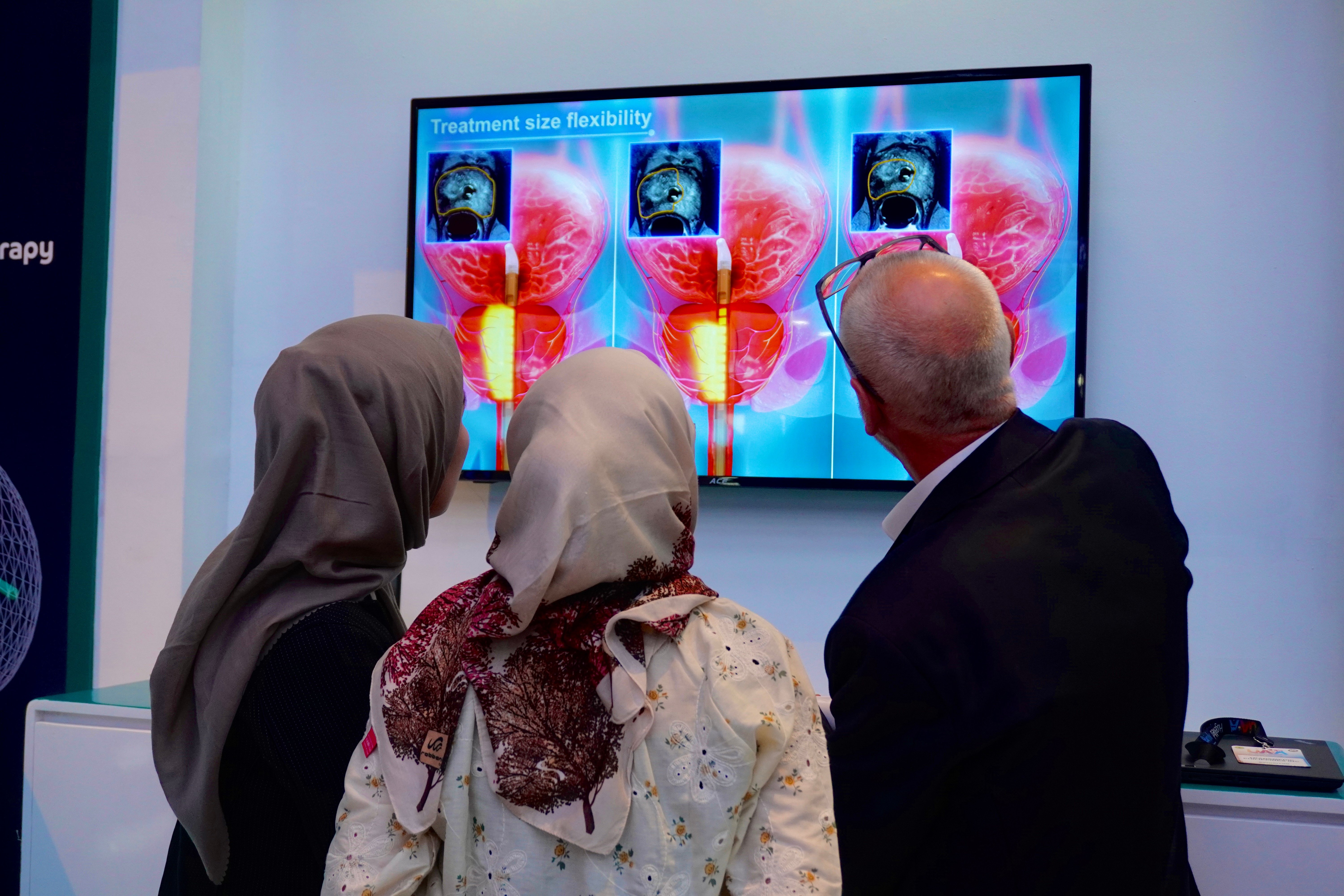
Beyond the individual technologies, Transmedic's participation at UAA 2026 reflected the importance of creating platforms where clinicians can exchange knowledge, discuss emerging evidence and share experiences from clinical practice.
For the Transmedic Philippines team, being part of one of the country's largest urology gatherings provided an opportunity to strengthen connections within the local and regional urology community while supporting continued professional education.
As prostate cancer management continues to move towards greater precision and personalisation, collaboration between clinicians, technology innovators and healthcare partners will remain important in translating advances in medical technology into better-informed approaches to patient care.